
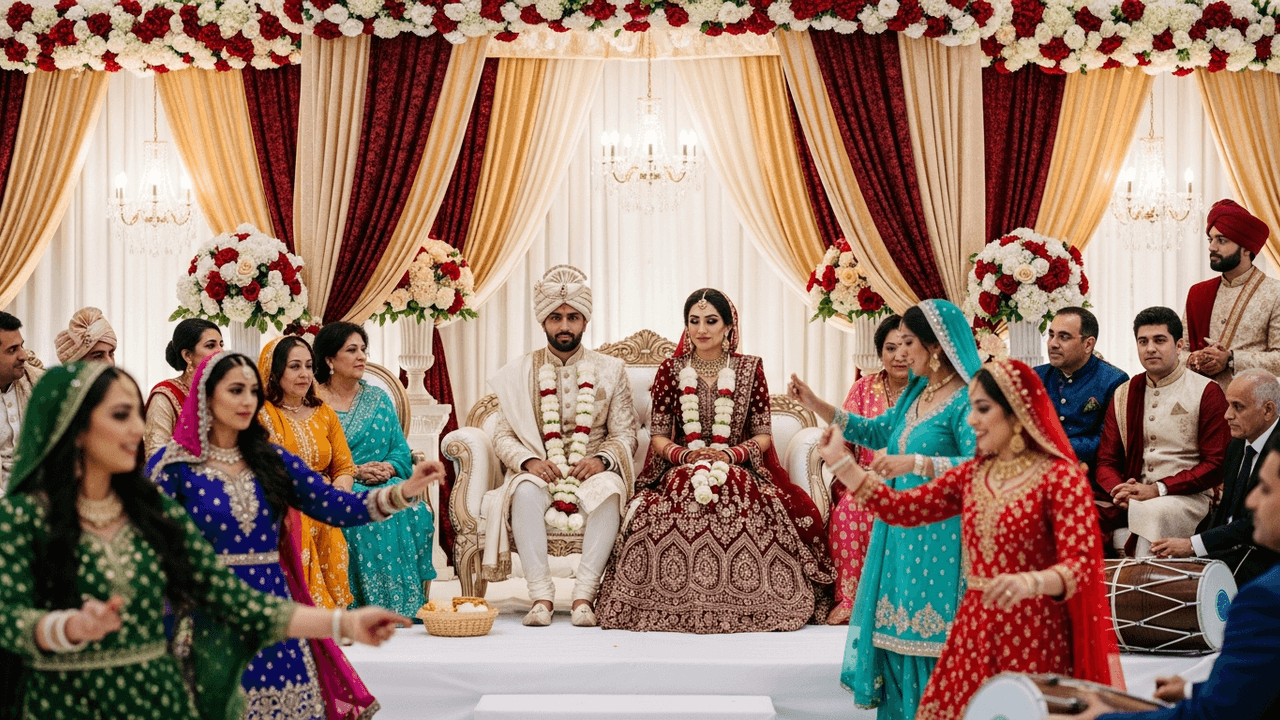
In our Rochester community, the essence of Pakistani wedding traditions remains vibrant and influential. These customs not only celebrate love but also highlight the deep-rooted bonds of family and culture. From the colorful Mehndi festivities to the meaningful Nikah ceremony, each element plays a vital role. As you explore these traditions further, you’ll discover how they shape the experiences of couples and their families in today's world. What makes these rituals so significant?
The Heart of Pakistani Weddings: Cultural Significance
When you dive into the world of Pakistani weddings, you quickly realize that these celebrations aren't just about uniting two people; they’re a vibrant tapestry of culture, tradition, and community.
Each ceremony is steeped in history, representing the rich heritage of the Pakistani people. You'll notice how families come together, sharing laughter, love, and stories that strengthen their bonds.
The rituals you witness, from the colorful attire to the rhythmic dances, all serve a deeper purpose—honoring ancestors and creating lasting memories.
You’ll find that food, music, and art play pivotal roles, reflecting regional diversity and bringing everyone together.
Ultimately, these weddings embody a sense of belonging, reminding you that love transcends boundaries and unites not just individuals, but entire communities.
Key Pre-Wedding Traditions: From Proposal to Engagement
Before the wedding festivities begin, a series of meaningful pre-wedding traditions unfold, each step paving the way for the couple's journey together.
It all starts with the proposal, where families meet to discuss the union, setting the tone for future celebrations. Once both families agree, the engagement follows, often marked by a small gathering. During this event, the couple exchanges rings, symbolizing their commitment.
You might also witness the exchange of gifts between families, which fosters goodwill and strengthens bonds.
Following the engagement, traditions like the “dholki” may take place, where loved ones gather to sing and celebrate. These rituals create a vibrant atmosphere, highlighting the importance of family and community as you embark on this beautiful journey together.
The Vibrant Mehndi Ceremony: Symbolism and Celebrations
As the wedding date approaches, the Mehndi ceremony bursts with color and excitement, bringing together family and friends to celebrate.
You’ll find the bride adorned with intricate henna designs, each pattern symbolizing joy, love, and prosperity. This festive gathering isn’t just about the bride; it’s a time for everyone to come together, dance, and share laughter.
Traditional songs fill the air, creating a joyful atmosphere as everyone participates in applying henna. You might even receive a small design on your hand as a token of inclusion.
The celebration is often accompanied by delicious food, further enhancing the festive spirit.
Ultimately, the Mehndi ceremony beautifully captures the essence of love and connection, setting the tone for the upcoming wedding festivities.
Related: Building a Stronger Pakistani American Community in Rochester
The Importance of the Baraat Procession
The Baraat procession is a vibrant spectacle that marks the groom's arrival at the wedding venue, filled with joy and celebration.
As a guest, you’ll witness a lively parade that often features music, dancing, and colorful attire. Friends and family accompany the groom, creating an electrifying atmosphere. This event symbolizes the union of two families, showcasing their support and love.
You'll see beautiful decorations, traditional outfits, and the groom riding in a grand vehicle, often adorned with flowers. The energy is contagious, encouraging everyone to join in the festivities.
Participating in the Baraat reminds you of your cultural roots and the importance of community, making it a cherished part of the wedding experience.
The Nikah Ceremony: Central to the Celebration
Following the excitement of the Baraat, the Nikah ceremony takes center stage in a Pakistani wedding. This sacred event marks the official union of the bride and groom, emphasizing their commitment to one another.
You’ll witness the couple sitting together, often under a beautifully decorated canopy. The officiant, known as the Imam, reads verses from the Quran and explains the significance of marriage in Islam.
You’ll hear the couple’s vows as they express their consent to the union, which is a crucial part of the ceremony. Witnessing the signing of the Nikah Nama, or marriage contract, is truly special.
This moment solidifies their bond, surrounded by family and friends who celebrate this important milestone in their lives.
Pakistani Wedding Attire: What to Wear on the Big Day
What should you wear to a Pakistani wedding? When attending, opt for vibrant colors and intricate designs.
Traditional attire for women includes the lehenga, a long skirt paired with a choli, or a shalwar kameez, often adorned with embroidery and embellishments. Don't shy away from bold hues like red, green, or gold, which symbolize joy and celebration.
For men, a sherwani or kurta with churidar pants is perfect. These outfits can be embellished with detailed stitching or patterns.
Accessories play a key role too; women should consider statement jewelry, while men might add a turban or a brooch for flair.
Ultimately, wear something that makes you feel confident and festive, embracing the beauty of this special occasion.
Culinary Staples at Pakistani Weddings: Festive Food and Cuisine
Attending a Pakistani wedding isn’t just about the attire; it’s also a feast for the senses, especially when it comes to food.
You’ll find a vibrant array of dishes that reflect the rich culinary heritage. Start with fragrant biryani, a spiced rice dish layered with tender meat and saffron. Don’t miss out on succulent kebabs, grilled to perfection and bursting with flavor.
For a taste of home, enjoy flavorful curries, often served with warm naan or parathas. Sweets like gulab jamun and jalebi add a delightful finish to the meal.
With each bite, you’ll experience the warmth and love that goes into preparing these dishes. Sharing this culinary journey makes the celebration even more memorable.
The Role of Music and Dance in Celebrations
While food plays a central role in Pakistani weddings, music and dance elevate the celebration to another level. These elements create an electric atmosphere, drawing everyone into the joy of the occasion.
You’ll find vibrant dhol beats and soulful melodies that get guests on their feet, celebrating together. Traditional dances like the bhangra and gidda invite everyone to participate, regardless of age or skill. You can feel the unity as families come together, sharing laughter and creating memories.
Live performances often feature talented artists who bring energy and excitement, making each moment unforgettable. Whether it’s a lively mehndi night or a grand reception, music and dance weave through every celebration, enriching the experience and honoring cultural heritage.
Post-Wedding Traditions: Honoring the Newlyweds' Journey
As the wedding festivities conclude, families often engage in meaningful post-wedding traditions that honor the newlyweds' journey together.
One cherished practice is the Rukhsati, where the bride formally leaves her family home, symbolizing her transition to her new life. This emotional moment is filled with blessings and tearful farewells, marking the significance of family ties.
Another tradition is the Chauthi, usually held the day after the wedding, where the bride visits her parents' home, allowing both families to bond and celebrate their union.
Gifts, often given by both sides, symbolize goodwill and support for the couple's new life.
These traditions create lasting memories, strengthen family connections, and celebrate the beginning of the couple's shared journey.
Modern Influences on Pakistani Wedding Traditions
With globalization shaping cultural practices, modern influences have significantly transformed Pakistani wedding traditions.
You might notice that many couples today blend traditional rituals with contemporary elements, creating a unique celebration. For instance, while the mehndi ceremony remains popular, you may see modern décor and themed parties that reflect personal tastes.
Social media also plays a huge role, as couples often share their wedding experiences online, inspiring others. Furthermore, destination weddings have gained traction, allowing couples to celebrate in exotic locations.
You might even witness a shift in attire, with brides opting for fusion outfits that combine Western and traditional styles. These changes showcase how Pakistani weddings evolve while still honoring their rich heritage.
Conclusion
In Rochester, you witness how Pakistani wedding traditions beautifully blend heritage and modernity. Each ceremony, from the vibrant Mehndi to the solemn Nikah, reflects deep cultural significance and strengthens community bonds. As you celebrate these joyful events, you’re not just honoring your roots; you’re also creating lasting memories with loved ones. Embracing these traditions ensures that the spirit of Pakistani weddings continues to thrive, enriching both your personal experiences and the community as a whole.