
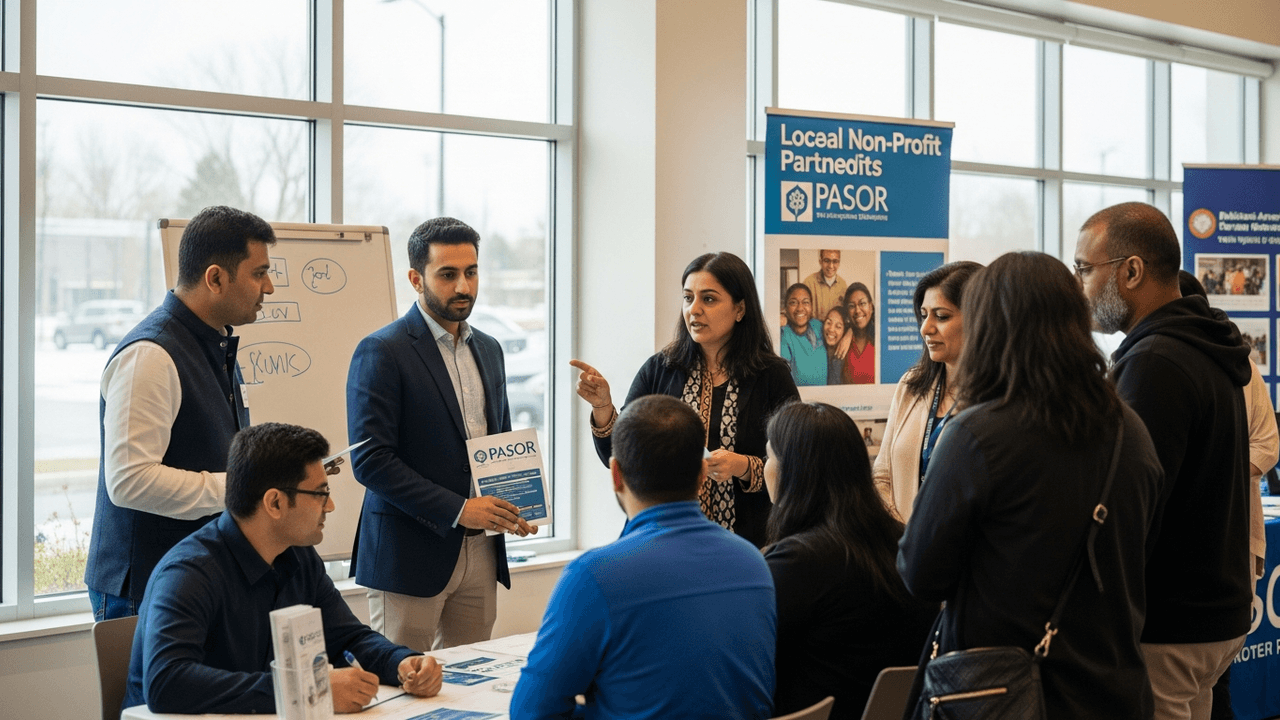
Partnering with local nonprofits is essential for PASOR's community outreach strategy. It not only enhances social impact but also builds a positive reputation. By focusing on community needs, you can create meaningful connections that last. However, it takes careful planning and execution to ensure these partnerships thrive. What are the key factors that contribute to successful collaborations, and how can you overcome potential challenges? Let’s explore this further.
The Importance of Partnering With Local Nonprofits
When you partner with local nonprofits, you not only strengthen your community but also enhance your organization's reputation and reach. These collaborations create opportunities for mutual growth, allowing your business to engage with diverse audiences.
By supporting local causes, you demonstrate your commitment to social responsibility, which can attract customers who value ethical practices.
Additionally, partnering with nonprofits can boost employee morale, as team members feel proud to work for a company that gives back. You’ll also gain valuable networking opportunities, connecting with like-minded organizations that share your values.
Ultimately, these partnerships foster a sense of unity, encouraging community involvement and improving your overall brand image. Embracing this approach can lead to lasting, positive impacts for both your organization and the community.
How PASOR Identifies Potential Nonprofit Partners
To effectively identify potential nonprofit partners, PASOR focuses on alignment with its mission and values. You’ll find that PASOR prioritizes organizations that share a commitment to community development and social impact.
They actively research local nonprofits, reviewing their programs, goals, and previous collaborations. By attending community events and networking with local leaders, PASOR builds relationships and gains insights into potential partners.
They also consider factors like community needs, the nonprofit's reputation, and its capacity for collaboration. This thorough approach ensures that each partnership is mutually beneficial, fostering a strong foundation for successful initiatives.
Ultimately, PASOR’s method helps create impactful alliances that resonate with their mission and enhance community well-being.
Highlighting Successful PASOR and Nonprofit Collaborations
Through strategic partnerships, PASOR has successfully collaborated with several local nonprofits, creating initiatives that significantly benefit the community.
One standout effort involved working with a local food bank to launch a drive that provided meals to families in need. You played a crucial role in organizing volunteers and collecting donations, resulting in thousands of meals distributed.
Related: Building a Stronger Pakistani American Community in Rochester
Another successful collaboration was with a youth mentorship program, where PASOR facilitated workshops that empowered local students.
These partnerships not only addressed immediate needs but also fostered long-term relationships within the community. By aligning with nonprofits that share similar goals, you’ve helped enhance the impact of these initiatives, demonstrating how collective efforts can lead to meaningful change.
Engaging the Community Through Events and Activities
While collaborating with local nonprofits is essential, engaging the community through events and activities creates an even deeper connection. You can host workshops, festivals, or volunteer days that not only raise awareness about critical issues but also foster a sense of belonging.
Encourage participation by inviting community members to share their ideas and talents. This involvement can turn a simple event into a celebration of local culture and collaboration.
Additionally, partnering with local businesses for sponsorship or resources can enhance your events while building relationships within the community.
Assessing the Impact of Nonprofit Partnerships
Engaging the community through events not only fosters connections but also sets the stage for evaluating the effectiveness of your partnerships with local nonprofits.
You’ll want to assess how these collaborations impact both the community and your organization. Start by gathering feedback from participants and stakeholders to understand their experiences. Surveying attendees can give you valuable insights into the perceived benefits and areas for improvement.
Track specific metrics, such as attendance numbers, volunteer hours, and funds raised, to quantify success. Additionally, consider how these partnerships align with your mission and values.
How to Build Long-Lasting Relationships With Nonprofits
Building long-lasting relationships with nonprofits requires a genuine commitment to collaboration and mutual benefit. Start by identifying organizations that align with your values and mission.
Reach out with a clear proposal that highlights how both parties can benefit. Regular communication is key; schedule check-ins to discuss progress and share feedback.
Be open to their needs and adapt your approach when necessary. Show appreciation for their efforts through public recognition or small gestures.
Related: Connecting Culture, Service, and Community in Rochester Through PASOR
Involve your team in volunteer opportunities to strengthen ties and build trust. Lastly, focus on creating shared goals that reflect both your interests and theirs.
Common Challenges in Nonprofit Partnerships and How to Overcome Them
Navigating nonprofit partnerships can be challenging, especially when aligning goals and expectations. Miscommunication often leads to misunderstandings, so it's crucial to establish clear, open lines of dialogue from the start.
Regular meetings can help ensure everyone stays on the same page and allows you to address any concerns promptly.
Another common challenge is differing resource availability; you mightn't have the same level of funding or manpower. To overcome this, be transparent about your capabilities and seek to find creative solutions that leverage each partner's strengths.
Lastly, differing timelines can create friction. By setting realistic deadlines and being flexible, you can foster a collaborative environment.
Recognizing these challenges is the first step to building a successful partnership.
Future Goals for Expanding Community Outreach With Nonprofits
As you look to the future, expanding community outreach with local nonprofits can significantly amplify your impact and foster deeper connections within the community.
Start by identifying key local organizations that align with your mission and values. Collaborate on joint events, workshops, or initiatives that benefit both your organization and the community.
Consider utilizing technology and social media to raise awareness and engage more people in your efforts. Establish regular communication channels with these nonprofits to share resources and best practices.
Additionally, set specific, measurable goals to evaluate the effectiveness of your outreach. By nurturing these partnerships and continually seeking new opportunities, you’ll create lasting change and inspire others to get involved in meaningful ways.
Conclusion
Partnering with local nonprofits is not just about giving back; it’s about creating meaningful connections that benefit everyone. By collaborating with these organizations, you’re not only addressing vital community needs but also building a reputation as a socially responsible leader. As you continue to engage and support local initiatives, you’ll foster lasting relationships that enhance community pride and involvement. Together, you can make a significant impact and inspire others to join the cause.